


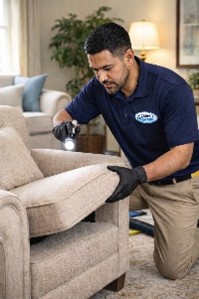
When most people think about floor and furniture cleaning, they picture appearance—clean carpet, shiny bright tile and grout, soft upholstery, fresh-smelling rooms. As professionals, we know it goes much deeper than that. Cleaning is risk management. Every job carries some level of risk, whether it is fiber damage, dye instability, shrinkage, over-wetting, slip hazards, or customer disputes. The visible soil is often the smallest issue in the room! The real challenge is managing what could go wrong before it does.
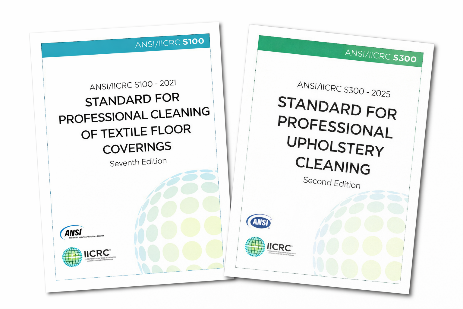
Risk management begins before the wand ever touches the carpet. A thorough pre-inspection is your first and best line of defense. Identify the fiber type, look for pre-existing damage, check traffic lanes, filtration lines, loose seams, prior repairs, and signs of improper previous cleaning. On upholstery, assess fabric condition, cleaning codes, and dye stability. On area rugs, evaluate construction, backing integrity, and shrinkage potential. Slowing down during inspection shifts you from being reactive to being controlled and deliberate. The ANSI/IICRC S100 and S300 standards emphasize inspection and testing for a reason—fiber identification, colorfastness testing, moisture control, and documentation are protective measures for both technician and client.
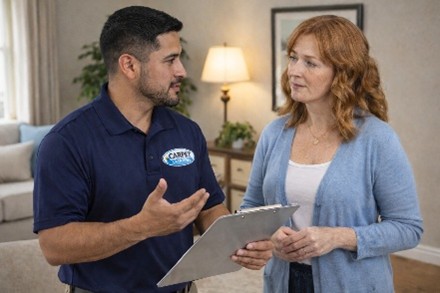
Documentation is often treated as routine paperwork, but it is one of the strongest risk-reduction tools we have. Take clear photos before starting. Record pre-existing stains, wear patterns, odors, and any visible damage. Note your testing results and any limitations discussed with the client. Many complaints stem from unmet expectations, not poor workmanship. When you document properly and communicate clearly, you control expectations and protect your company from disputes. Process control is where experience truly shows. Using the correct chemistry for the fiber and soil condition, following proper dilution ratios, managing dwell time, controlling moisture, and ensuring proper extraction and drying are not optional steps. They are safeguards. Shortcuts and guesswork increase risk, while consistent systems reduce it.
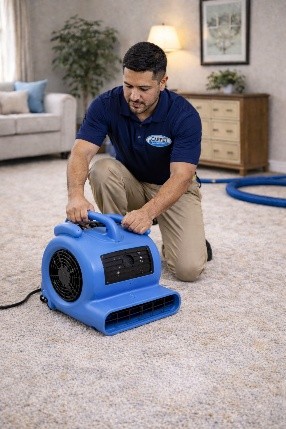
Moisture management deserves special attention because it is often the greatest liability factor in cleaning. Over-wetting can lead to wick-back, browning, seam separation, microbial concerns, and extended dry times. Damp floors can create slip hazards. Proper extraction, airflow, and monitoring are part of the cleaning process—not an afterthought. Drying is risk control. Approach every job with the understanding that you are managing risk as much as you are removing soil. Inspect carefully, communicate clearly, document thoroughly, and follow controlled processes every time. The visible result may be clean carpet, but the invisible result is reduced liability, protected assets, and a stronger, more professional business.
Looking for more info on flooring, area rug, and upholstery inspection? Check out the CFI Member Blog Library or our blog page for more interesting education and business-related blogs!